Preserve living language
Safeguard words, idioms, proverbs, metaphors, signs and expressions—including oral traditions and language that has no direct equivalent elsewhere.
A living archive of mind, heart and culture
Moner Kotha preserves the words, stories, images, objects and gestures people use to express mental health and emotional life—without forcing them into one universal definition.
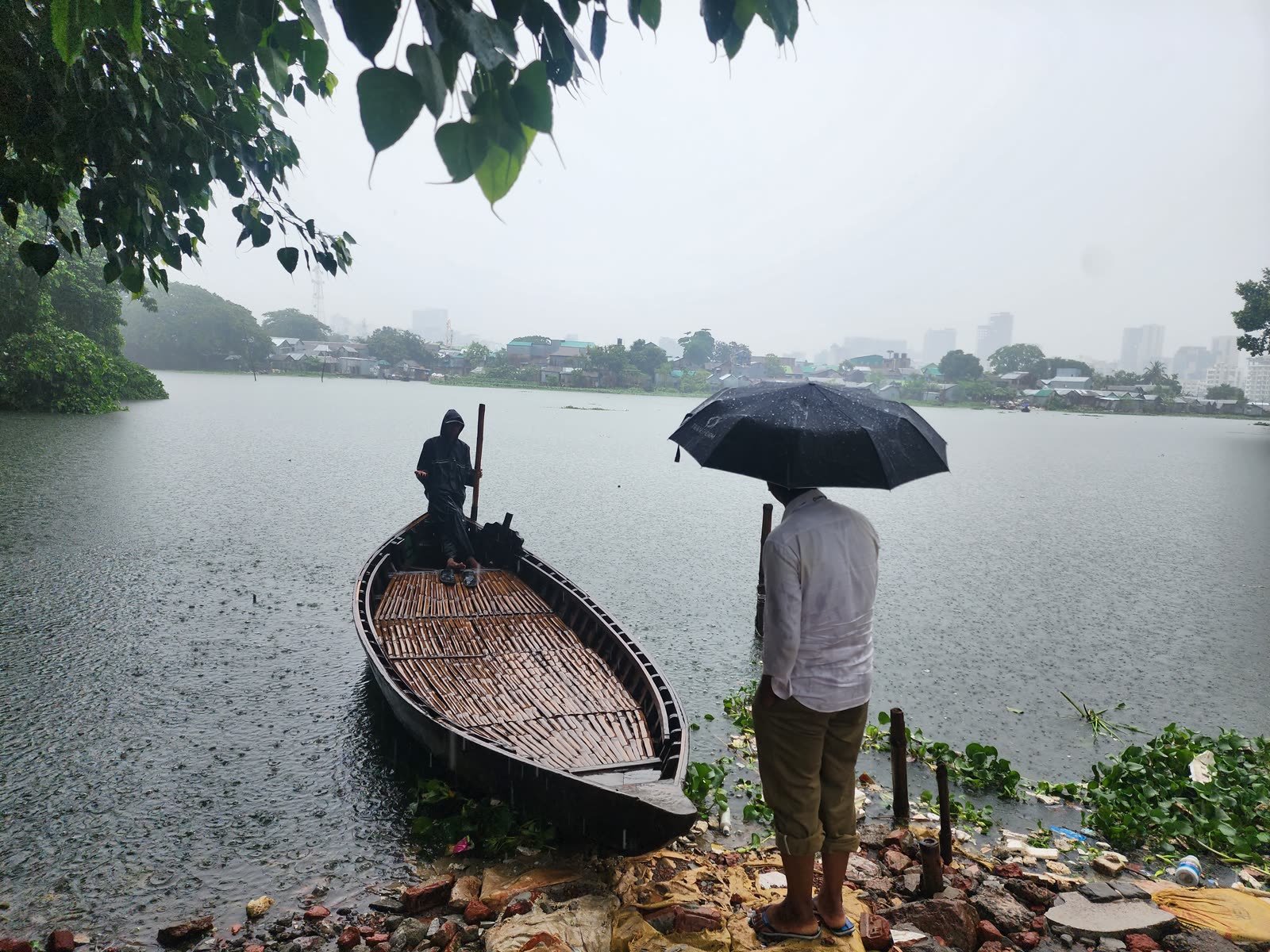
Our vision
A world where every way of expressing the mind and heart is heard, preserved and understood—whatever the language, culture or form it takes.
The project began with field research in Bangladesh and welcomes knowledge from every country, dialect, oral tradition and sign language.
Our aim
We want to understand what may be shared across human experience and what is shaped by place, history, faith and community.
Safeguard words, idioms, proverbs, metaphors, signs and expressions—including oral traditions and language that has no direct equivalent elsewhere.
Build a searchable, multilingual dictionary where original context, regional variation and limits of interpretation stay attached to every entry.
Create empathic peer spaces built around shared interests and experiences rather than diagnoses, rankings or pressure to disclose.
Preserve photographs, artworks, drawings, objects, places, rituals and tools of care that hold emotional meaning in different contexts.
Hold personal and community accounts of distress, help-seeking, healing and meaning in the language and form chosen by the storyteller.
Explore what people share across cultures and what is shaped by language, faith, history, place and community.
Make culturally grounded knowledge useful to communities, clinicians, researchers, educators, journalists and policymakers.
How knowledge is made
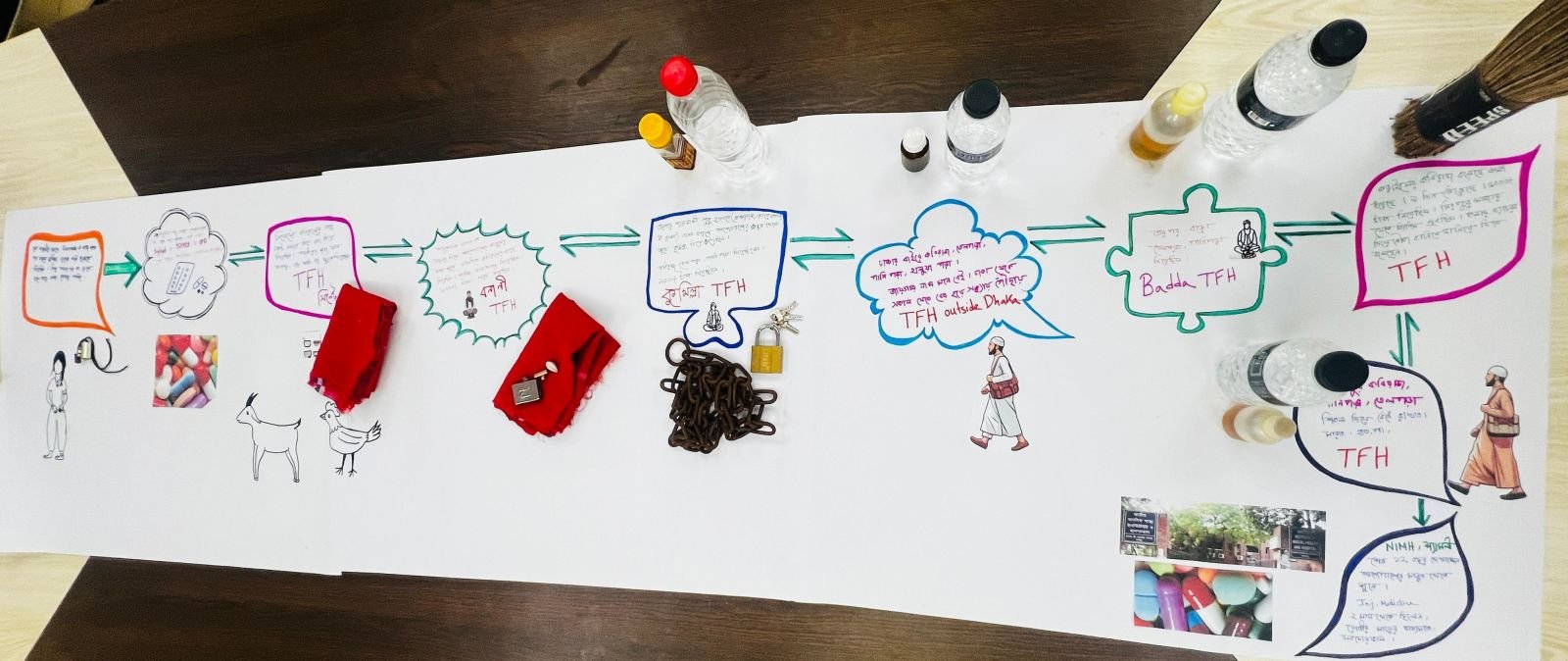
This participatory map follows a journey through family decisions, spiritual care, practical barriers and formal services. The objects are not decoration; each one records something a participant encountered on the way.
Moner Kotha keeps this context attached to the words people use, so a dictionary entry becomes part of a wider account of care, power and everyday life.
Explore the visual archive →Ways to engage
You can contribute knowledge, ask a question, join a conversation, document an image or begin privately. Participation does not require a diagnosis or a long written account.
Contribute
Share a word, sign, object, image or story. No diagnosis or specialist language is required.
Contribute an expression →Compare
Invite people from other places and cultures to describe what an expression or image means where they live.
Ask a question →Connect
Meet around creativity, language, nature, belonging or small personal goals—not diagnoses.
Explore circles →Tell
Contribute in text, voice or video while keeping consent, provenance and your own words primary.
Open stories →Reflect
Use the digital diary to find your own words before deciding whether anything should be shared.
Open my diary →Language support
Draft a sensitive translation or a neutral question. Suggestions stay labeled and cannot publish themselves.
Inside the dictionary
mon kharap
The state when the mind and heart are "bad" or not well — a heaviness, a low mood, a dimming of the inner self.
pagol
Often translated as "mad" or "crazy" in English dictionaries, but পাগল carries a whole spectrum of meaning.
Literally "nerves" — but nervios is much more than ordinary anxiety.
Stories across contexts
Narratives help explore where mental health expressions come from, how stigma shapes help-seeking, and what community programmes or therapeutic approaches may need to understand. They suggest questions for co-design and research—not conclusions about a culture.
Growing up in Dhaka, I never heard the word "depression." My grandmother had a whole vocabulary — মন খারাপ for the ordinary, তার ছেঁড়া for crisis, বাতাস লাগা for something that came from outside and unsettled you. It was only when I moved to London and tried to explain to a therapist what I was feeling that I realised how much had been lost in translation...
Explore this story →Cuando digo que tengo nervios, no hablo de lo mismo que dice el psiquiatra cuando habla de "trastorno de ansiedad generalizada." Los nervios que siento vienen de mi familia, de la pobreza, de no saber si voy a poder pagar la renta. Los nervios son mi respuesta a un mundo que no está bien — no una disfunción de mi cerebro...
Explore this story →میرے والد نے کبھی نہیں کہا "مجھے depression ہے۔" انہوں نے کہا "دل بھاری ہے" — اور یہ کافی تھا۔ جب میں نے انہیں ڈاکٹر کے پاس لے جانے کی کوشش کی تو انہوں نے کہا: "میں پاگل نہیں ہوں۔" لیکن انہوں نے اپنا بھاری دل مجھے کبھی بند نہیں کیا...
Explore this story →From one place, open to every place
A tree, shrine, river, prayer, phrase or gesture may carry a precise meaning in one community and something entirely different in another.
The archive holds those differences side by side. It asks what can travel across contexts and what must remain rooted in place.
About Moner Kotha →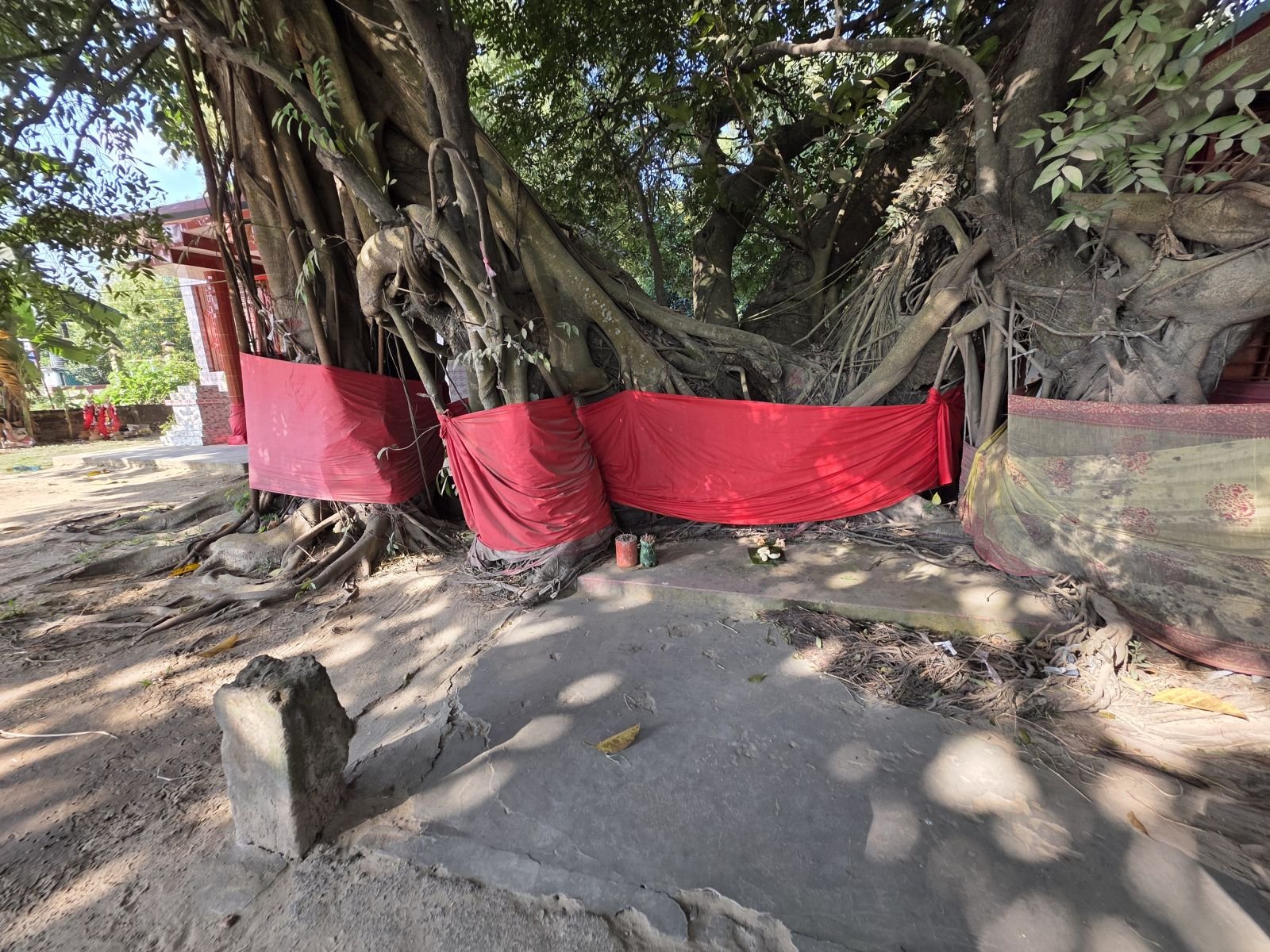
Your context matters
Share only what feels right. You can contribute anonymously, keep a private draft, or simply explore what others have chosen to preserve.
Selecciona frases para compartir con un grupo o colaborador/a. Tú decides qué significa cada una.
Haz clic en una frase para copiarla. Esto no es una escala de evaluación.
Compañero de Idiomas con IA
Herramienta opcional · No es un terapeuta · No es un chatbot
El Compañero de Idiomas con IA es una herramienta de idiomas opcional. Puede ayudarte con:
Esta herramienta nunca hará lo siguiente:
Aviso de demostración
Esto es un prototipo. Ningún contenido se envía a un servicio de IA externo — las respuestas son demostraciones ilustrativas. En la plataforma en vivo, darías un consentimiento explícito por sesión antes de que se procese cualquier contenido.
Todos los resultados de la IA se etiquetan como sugerencias. Tu expresión original siempre se conserva. Tú revisas todo antes de usarlo.
Escribe abajo y pulsa Enter o Enviar
Pulsa Enter para enviar · Mayús+Enter para salto de línea · Todos los resultados requieren tu revisión antes de usarse