Moner Kotha মনের কথা

词典中收录的内容

一份不断成长的合集,记录着世界如何表达心理健康 —— 涵盖每一种语言、每一种形式、每一种语境。

Moner Kotha(মনের কথা)是一个由社区主导、旨在建立全球心理健康词典的平台。它不是临床服务、治疗应用,也不是症状自查工具,而是一份不断生长的视角合集 —— 由来自不同语言与文化背景的人们贡献的文字、物品、图像、故事和手语表达。

344

published concepts

reviewed dictionary records

8

种语言

6 represented in entries

9

个故事

来自贡献者

6

种贡献形式

文字 · 手语 · 物品 · 图像 · 故事 · 感受

Co-development and governance

Publication is a reviewed community process

New terms are not published automatically and no live language model writes definitions. Simplification and translation may assist reviewers, but publication requires accountable human review against the source record.

1

Submitted

2

Linguistic review

3

Clinical review

4

Lived-experience review

5

Published

Editorial board

Membership, lived-experience representation, affiliations and conflicts of interest will be published with decisions.

Scheduled review

Every published entry is reviewed at least every 24 months, or sooner after a substantiated safety or evidence report.

Translation validation

Forward translation, independent back-translation and cognitive interviewing are recorded before a translation is labelled validated.

Public changelog

Current edition: 332 Bangladesh field-lexicon families, 42 families added and 54 deepened in the latest source review. Evidence links are restricted to Researcher mode and support future correction histories.

Media learning layer

Entry media will be published only when the script, translation, consent and cultural framing have completed the same review workflow as the written entry. No synthetic lived-experience story will be presented as testimony.

60–90 sec

Explainer film

Scripted from reviewed entry evidence

Visual

Illustration

Alt text and low-bandwidth still included

Context

Myth versus fact

Corrects shortcuts without diagnosing

Consented

Lived-experience vignette

Contributor controls attribution and withdrawal

Interoperability

Take the vetted corpus where people already read and work

These prototype exports demonstrate the public contract without claiming a production API. A deployed service would add versioned endpoints, authentication, rate limits, stable canonical URLs and FHIR validation.

Open JSON export

A compact, machine-readable draft of public entry fields.

Download JSON

FHIR CodeSystem draft

A draft terminology resource for validation with health-system partners.

Download FHIR JSON

Hover-definition widget

A proposed embed contract for partner sites; production hosting is still required.

我们正在学习什么

从早期的贡献内容中浮现出的一些规律 —— 我们审慎地看待它们,而不是将其当作定论。

同一个词承载着多种含义

পাগল(pagol)在孟加拉语中意为“疯”—— 但也指圣愚、痴情的恋人、有创造力的局外人。西班牙语中的 Loco 也可以是一种爱称。مجنون 是阿拉伯情诗中神圣的诗人疯子。在不同文化中,污名与赞美常常共享同一个词。

物品能承载文字所无法表达的东西

胸口上的一块石头,一根磨损的线,一把空椅子。来自不同文化的贡献者都用物品来表达苦痛,而这些苦痛是任何临床术语都难以完全捕捉的。“在我的语境中,这与心理健康无关”同样是一种有效且值得重视的回答。

许多社区都拥有丰富的痛苦表达词汇

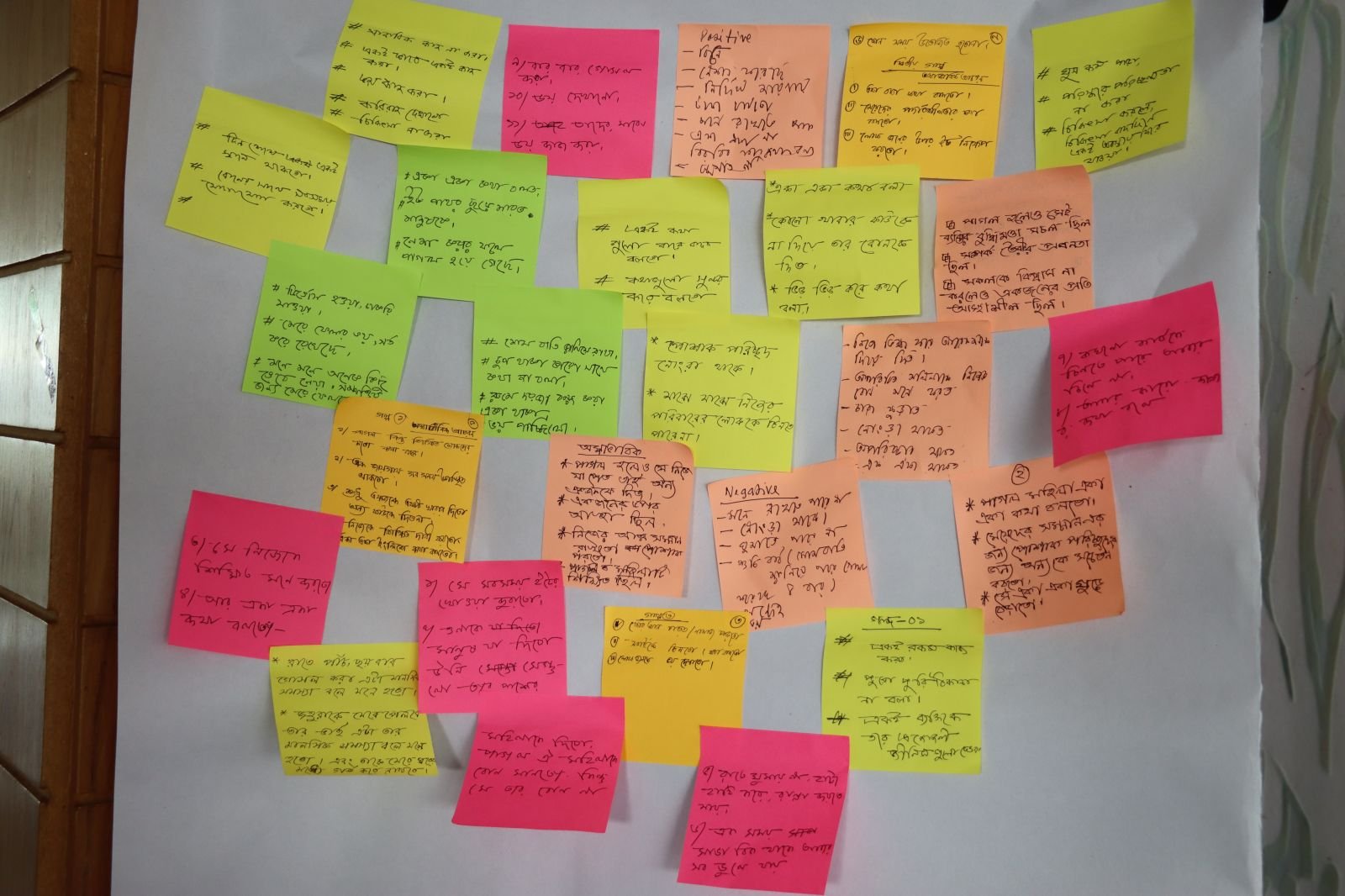
মন খারাপ 表示日常的忧伤;তার ছেঁড়া(意为“弦断了”)表示危机时刻;乌尔都语中的 بھاری دل(意为“沉重的心”)。这些并不是临床术语的低阶替代品,而是关于人类经验的不同的、更细腻的观察方式。

翻译总会丢失一些东西

贡献者们普遍指出,当他们的表达被翻译成临床语言时,会丢失一些重要的东西。这个平台将原始表达视为首要内容,而所有翻译都会被明确标注为近似表达,而非完全对等。

手语承载着独特的含义

用于表达痛苦的手语并不是口语的逐字对应版本。面部表情、动作和空间语法所承载的含义,是文字无法完全捕捉的。我们正在探索如何忠实地接收和呈现这些表达。

语境和内容一样,深刻地塑造着含义

谁使用这个词很重要,什么时候使用也很重要。在某些社区中,一个表达很常见;在另一些社区中,它却是禁忌。这本词典将这些矛盾并列呈现,而不试图去消解它们。

图片故事

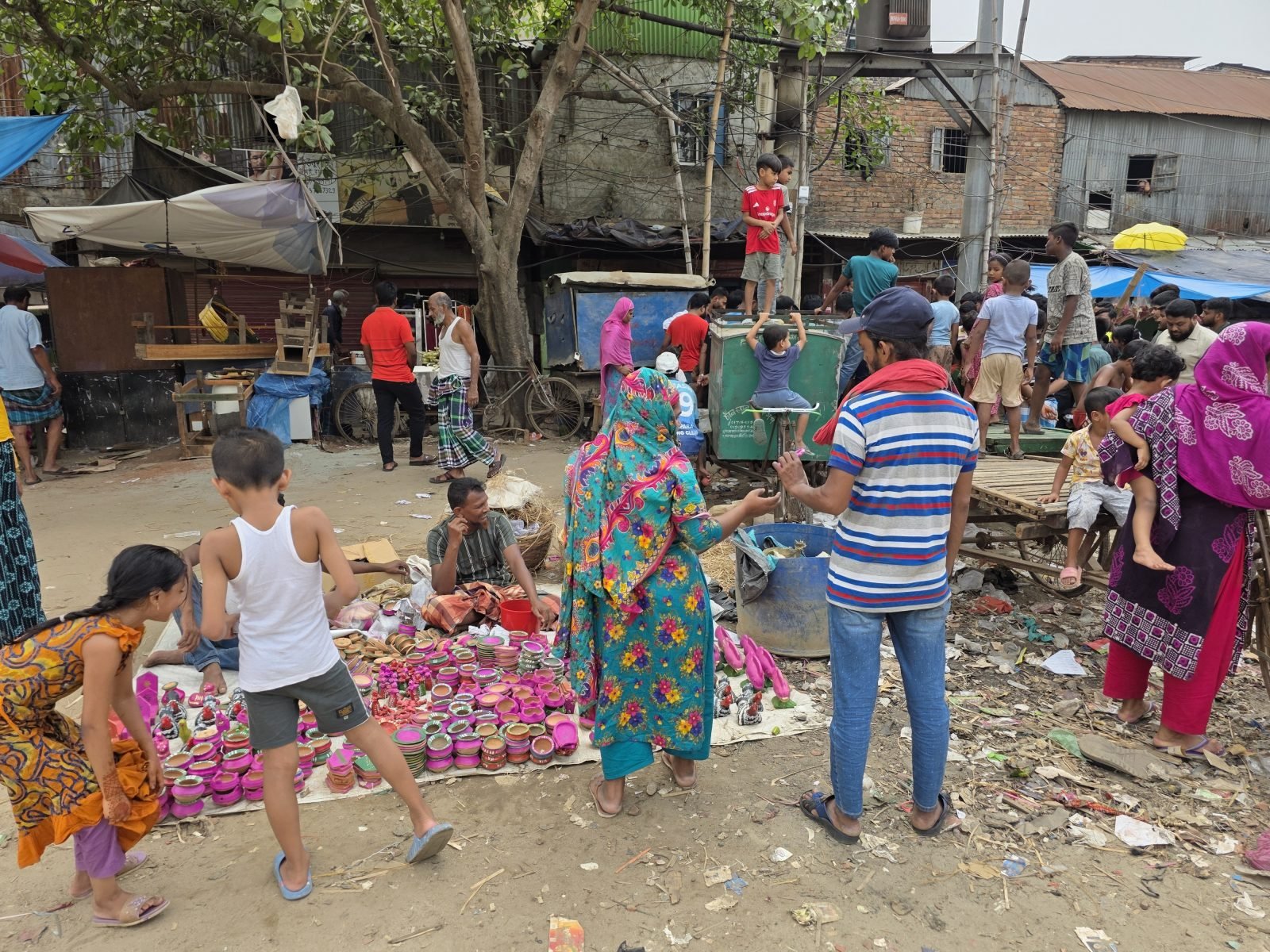
来自贡献者的视觉表达 —— 涵盖痛苦与障碍、危机与不确定,以及个人成就。所有照片都附有作者说明和内容提示。

打开图库 →

这个平台是什么

一个由社区主导的多语言平台,致力于建立全球心理健康词典 —— 收集人们在不同语言、文化、年龄和沟通方式中,如何理解、表达和体验心理健康。

贡献内容可以是文字、手语表达、物品、图像、故事或感受。篇幅不限,语言不限,也不需要诊断结果。

两种用户类型:普通贡献者和研究人员。研究同意与社区参与始终是相互独立的。

这个平台不是什么

  • 不是心理健康服务或临床平台
  • 不是危机援助服务
  • 不会被用于紧急监测
  • 不是诊断信息的来源
  • 不是治疗师、咨询师,也不是临床聊天机器人
  • 不是一本传统的医学词典
表达板