Stories across the world

How people name, explain and respond to mental health

Stories hold knowledge that a definition cannot: where words come from, how stigma enters daily life, why people seek—or avoid—help, and what culturally grounded programmes and therapeutic approaches may need to understand.

Share in the form that works for you

Write, record your voice or upload a video. A transcript or summary keeps audio and video accessible and searchable.

Share a story

What stories help us explore

From lived account to careful inquiry

Stories suggest questions; they do not prove causes or justify a ready-made intervention. Programme and therapeutic ideas must be co-designed, ethically reviewed and evaluated with the communities concerned.

No stories match these filters yet.

Share a story from this context
Two children seen from behind walking through a brightly lit airport terminal at night
English UK (diaspora, Bangladeshi origin) Illustrative editorial story

The word my grandmother used

Growing up in Dhaka, I never heard the word "depression." My grandmother had a whole vocabulary — মন খারাপ for the ordinary, তার ছেঁড়া for crisis, বাতাস লাগা for something that came from outside and unsettled you. It was only when I moved to London and tried to explain to a therapist what I was feeling that I realised how much had been lost in translation...

इस कहानी में अभिव्यक्तियां: মন খারাপ পাগল তার ছেঁড়া

Potential lines of inquiry—not conclusions

  • • Words and meanings: What expressions appear in the story? What does the storyteller mean by them, and where does dictionary or clinical language fail?
  • • Stigma and help-seeking: Which labels open conversation and which silence it? How do family, faith, services, gender and social expectations shape help-seeking?
  • • Programme design: What barriers, trusted relationships and community resources should culturally grounded services respond to?
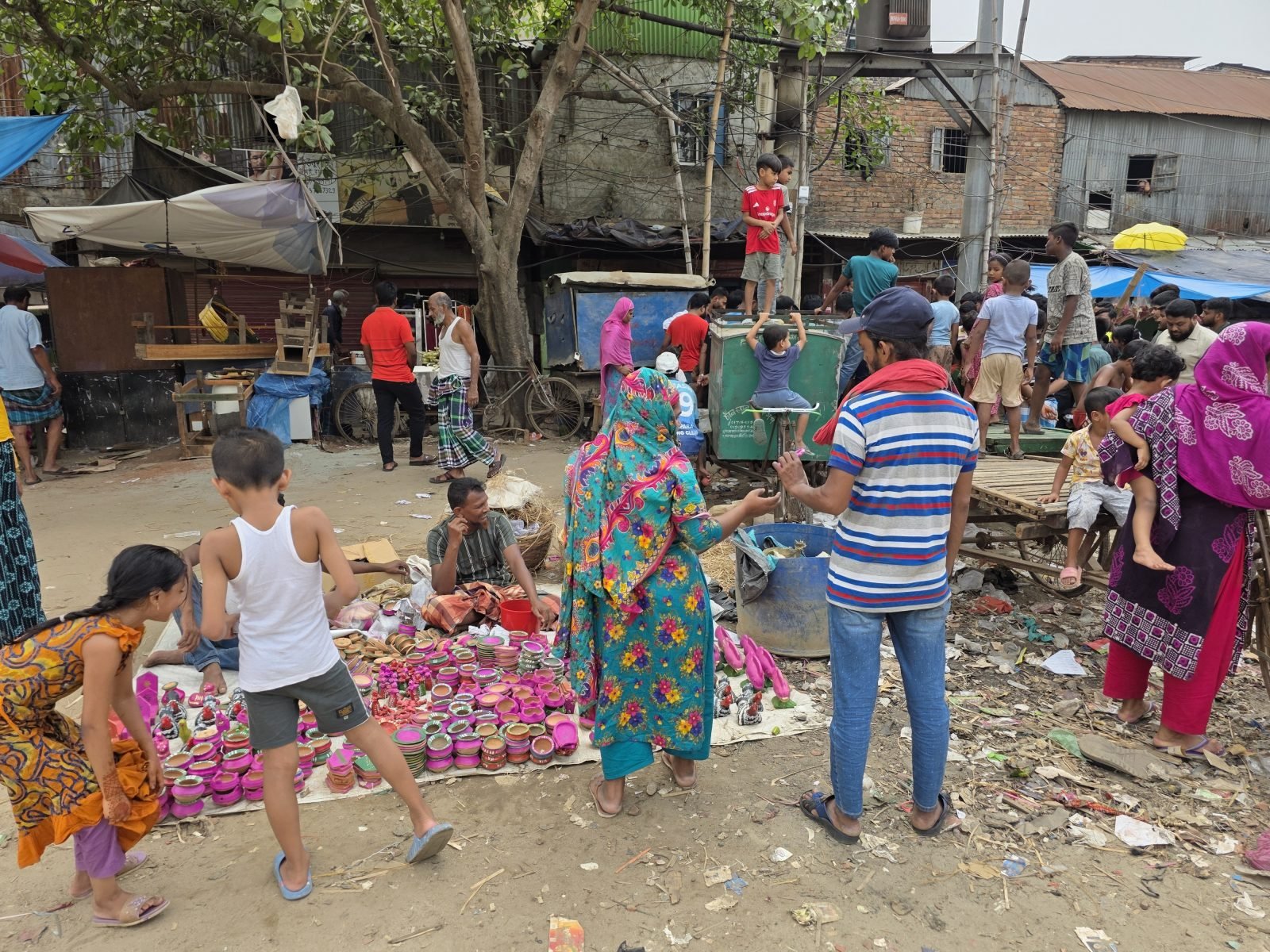
A crowded street market, vendors and neighbours of all ages gathered around a roadside stall
Spanish Mexico City Illustrative editorial story

Nervios no es sólo ansiedad

Cuando digo que tengo nervios, no hablo de lo mismo que dice el psiquiatra cuando habla de "trastorno de ansiedad generalizada." Los nervios que siento vienen de mi familia, de la pobreza, de no saber si voy a poder pagar la renta. Los nervios son mi respuesta a un mundo que no está bien — no una disfunción de mi cerebro...

इस कहानी में अभिव्यक्तियां: nervios

Potential lines of inquiry—not conclusions

  • • Words and meanings: What expressions appear in the story? What does the storyteller mean by them, and where does dictionary or clinical language fail?
  • • Stigma and help-seeking: Which labels open conversation and which silence it? How do family, faith, services, gender and social expectations shape help-seeking?
  • • Programme design: What barriers, trusted relationships and community resources should culturally grounded services respond to?
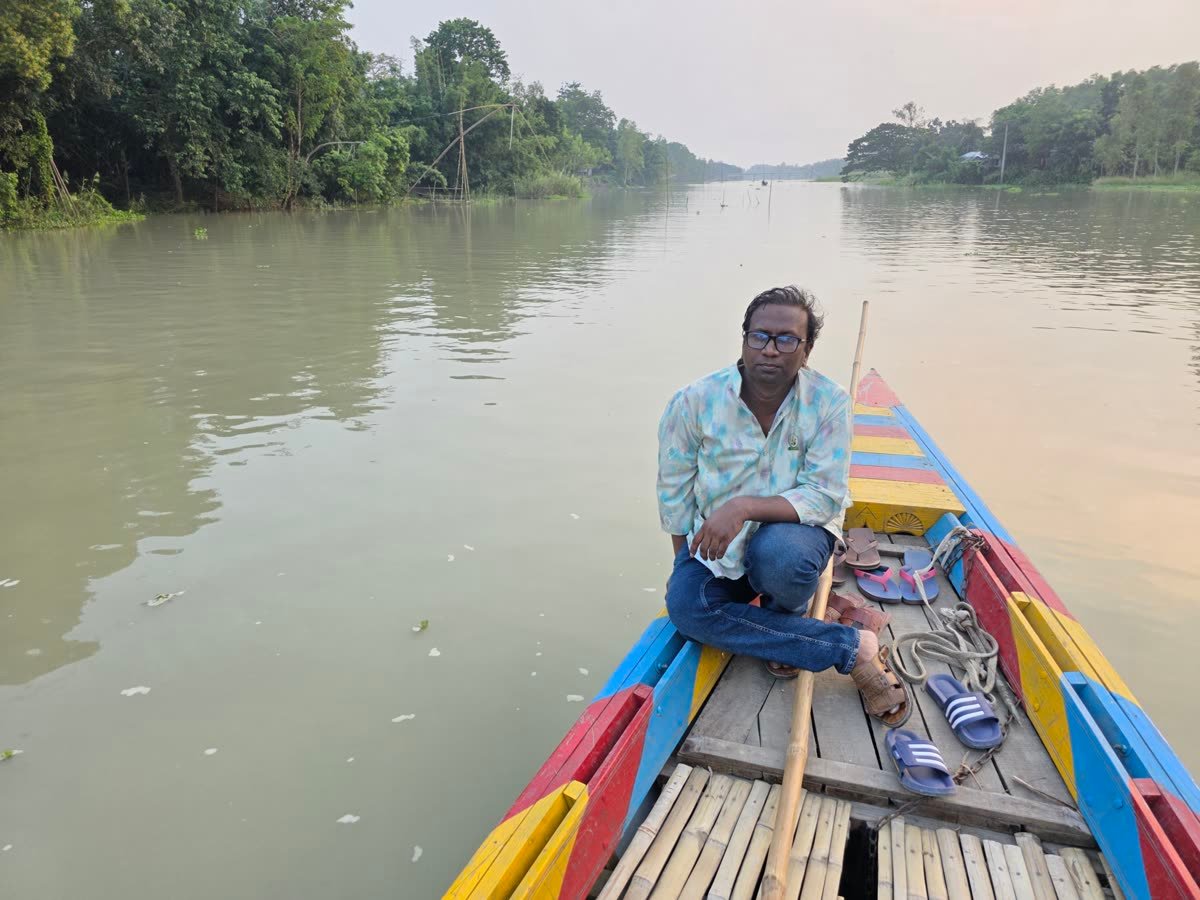
A man sitting quietly at the end of a painted wooden boat on a wide, still river lined with trees
Urdu Lahore, Pakistan Illustrative editorial story

دل کی بات — Words of the heart

میرے والد نے کبھی نہیں کہا "مجھے depression ہے۔" انہوں نے کہا "دل بھاری ہے" — اور یہ کافی تھا۔ جب میں نے انہیں ڈاکٹر کے پاس لے جانے کی کوشش کی تو انہوں نے کہا: "میں پاگل نہیں ہوں۔" لیکن انہوں نے اپنا بھاری دل مجھے کبھی بند نہیں کیا...

इस कहानी में अभिव्यक्तियां: পাগল دل بھاری ہے

Potential lines of inquiry—not conclusions

  • • Words and meanings: What expressions appear in the story? What does the storyteller mean by them, and where does dictionary or clinical language fail?
  • • Stigma and help-seeking: Which labels open conversation and which silence it? How do family, faith, services, gender and social expectations shape help-seeking?
  • • Programme design: What barriers, trusted relationships and community resources should culturally grounded services respond to?
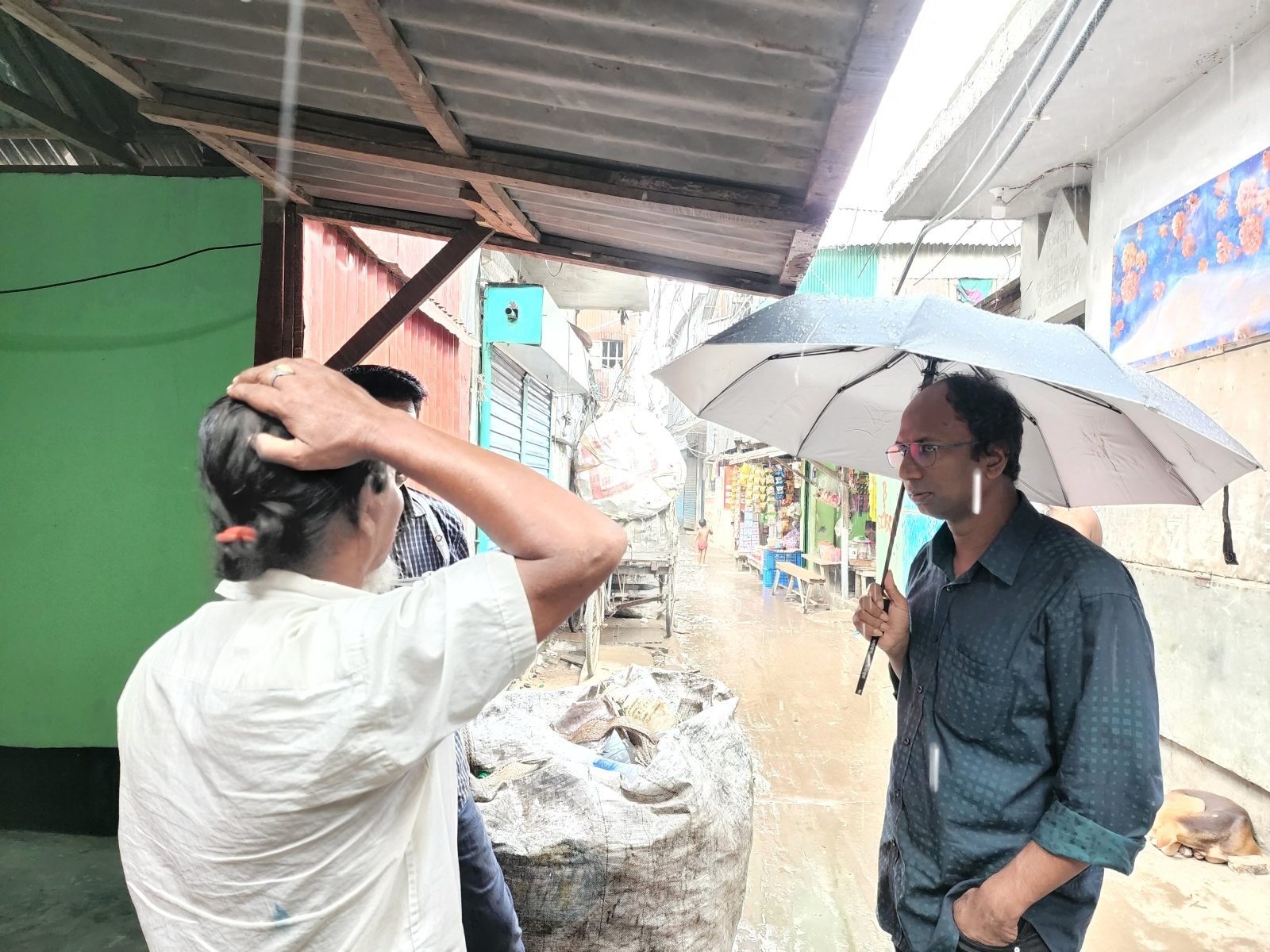
Two people in mid-conversation, expressive hand gestures caught mid-movement
French Paris, France Illustrative editorial story

Signer pour exister

Je suis sourd depuis la naissance. Pendant des années, on m'a dit que la LSF (langue des signes française) n'était pas une vraie langue. Quand j'ai eu des périodes de dépression intense, les psychiatres entendants ne comprenaient pas mes expressions faciales — un élément central de la LSF. Ils lisaient mes émotions à travers un prisme entendant...

Potential lines of inquiry—not conclusions

  • • Words and meanings: What expressions appear in the story? What does the storyteller mean by them, and where does dictionary or clinical language fail?
  • • Stigma and help-seeking: Which labels open conversation and which silence it? How do family, faith, services, gender and social expectations shape help-seeking?
  • • Programme design: What barriers, trusted relationships and community resources should culturally grounded services respond to?
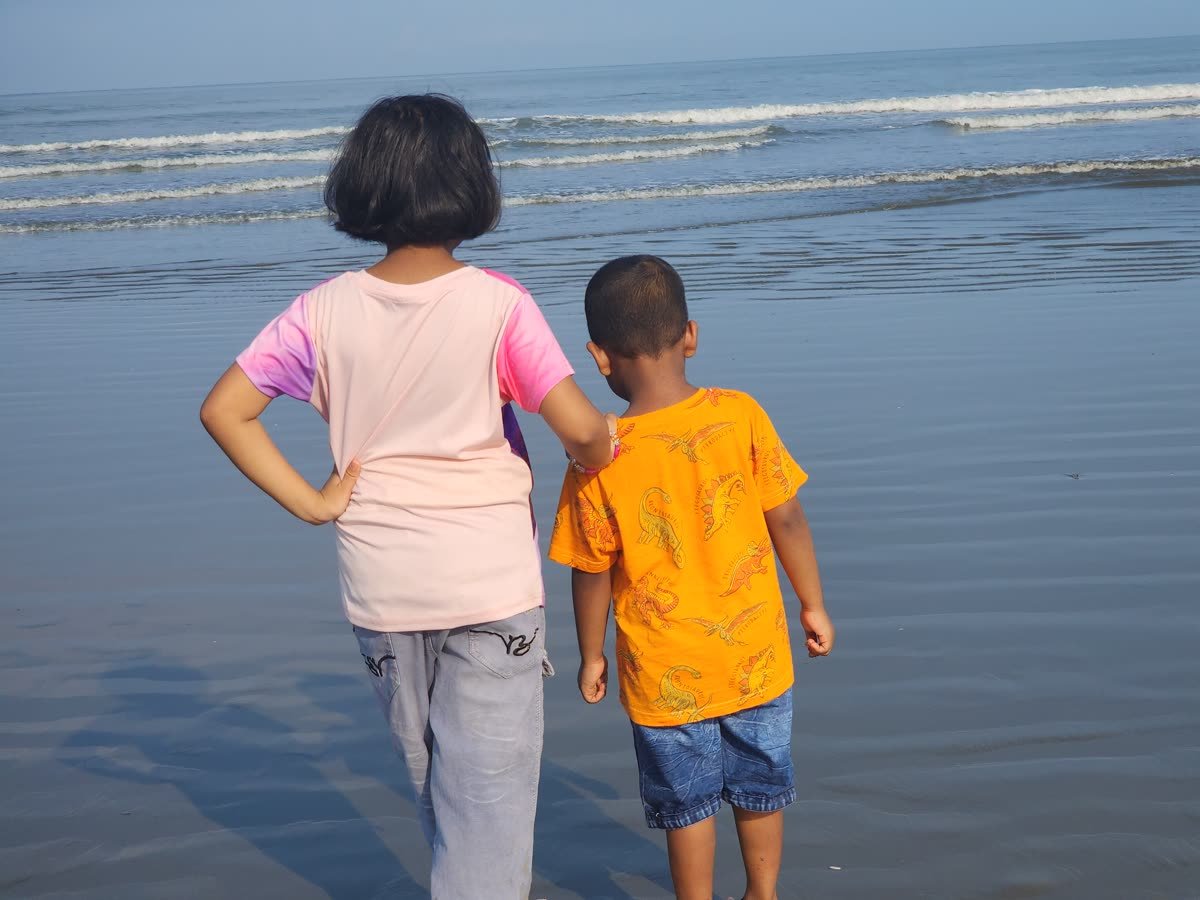
Two children seen from behind standing at the edge of the sea in soft morning light
Bengali Chittagong, Bangladesh Illustrative editorial story

আলো আসার আগে — Before the light comes

তিন বছর ধরে আমি ঘরের বাইরে যেতে পারতাম না। সেই সময়টা আমার কাছে তার ছেঁড়ার মতো মনে হয়েছিল — এমন কিছু হয়েছিল যা ঠিক করা যাবে না। কিন্তু ধীরে ধীরে সুতো জোড়া লাগে। আমি এখনো সেই জোড়ার দাগ অনুভব করি। কিন্তু দাগ মানেই ক্ষত নয়...

इस कहानी में अभिव्यक्तियां: মন খারাপ তার ছেঁড়া Thread / Yarn

Potential lines of inquiry—not conclusions

  • • Words and meanings: What expressions appear in the story? What does the storyteller mean by them, and where does dictionary or clinical language fail?
  • • Stigma and help-seeking: Which labels open conversation and which silence it? How do family, faith, services, gender and social expectations shape help-seeking?
  • • Programme design: What barriers, trusted relationships and community resources should culturally grounded services respond to?
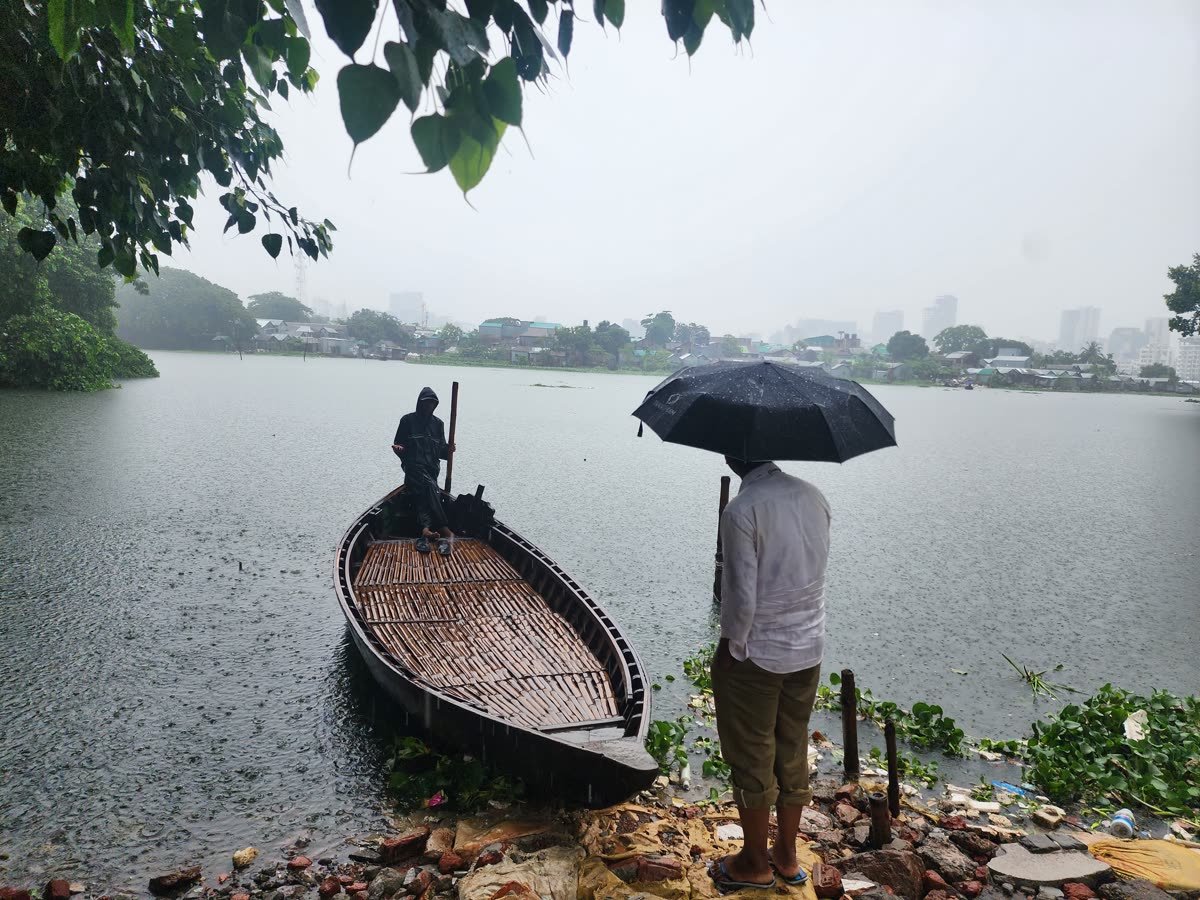
A person under an umbrella waiting beside a moored wooden boat on a lake in the rain
English / Spanish Los Angeles, USA Illustrative editorial story

What "loca" cost me

When I told my mother I needed help, she said "no estés loca." When I went to my GP, she didn't ask about my cultural background. When I finally found a therapist who understood both English and Spanish, she asked me: "How do you say what you're feeling in Spanish?" That question changed everything. Because I didn't have to translate myself anymore...

इस कहानी में अभिव्यक्तियां: nervios loco / loca

Potential lines of inquiry—not conclusions

  • • Words and meanings: What expressions appear in the story? What does the storyteller mean by them, and where does dictionary or clinical language fail?
  • • Stigma and help-seeking: Which labels open conversation and which silence it? How do family, faith, services, gender and social expectations shape help-seeking?
  • • Programme design: What barriers, trusted relationships and community resources should culturally grounded services respond to?
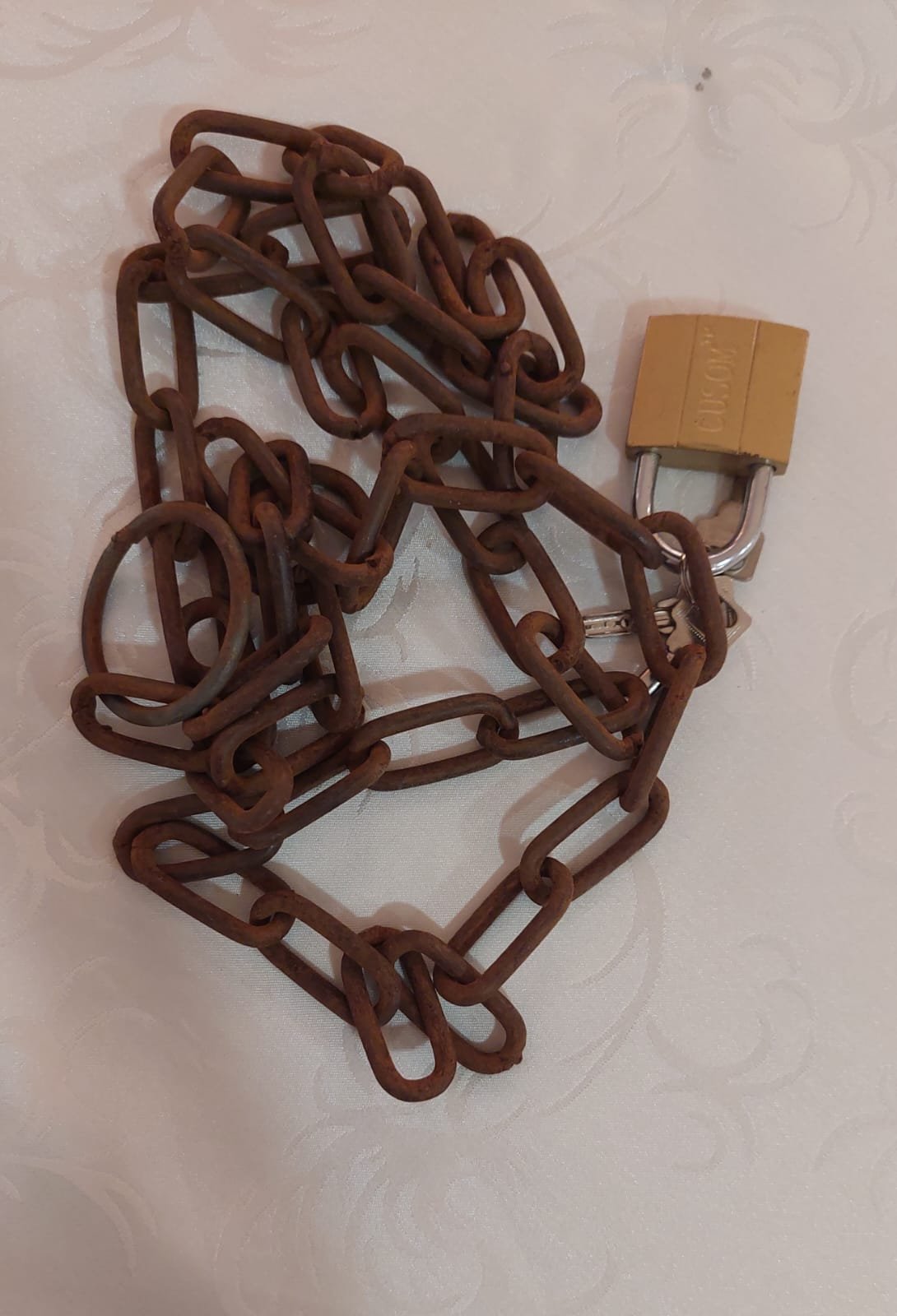
A rusted chain and brass-coloured padlock arranged on a pale surface
English editorial note Bangladesh · context under review Illustrative editorial story

What an object can say about restraint

A chain and padlock can make a systems problem visible without showing the person who may have been restrained. The object asks difficult questions: When families have no acceptable care nearby, what choices remain? How does fear become attached to the person in crisis rather than to the absence of support? The photograph cannot answer those questions, but it can keep them from disappearing.

इस कहानी में अभिव्यक्तियां: টর্চার

Potential lines of inquiry—not conclusions

  • • Stigma and help-seeking: Which labels open conversation and which silence it? How do family, faith, services, gender and social expectations shape help-seeking?
  • • Programme design: What barriers, trusted relationships and community resources should culturally grounded services respond to?
  • • Therapeutic development: What metaphors, communication preferences and locally meaningful practices deserve careful co-development and evaluation?
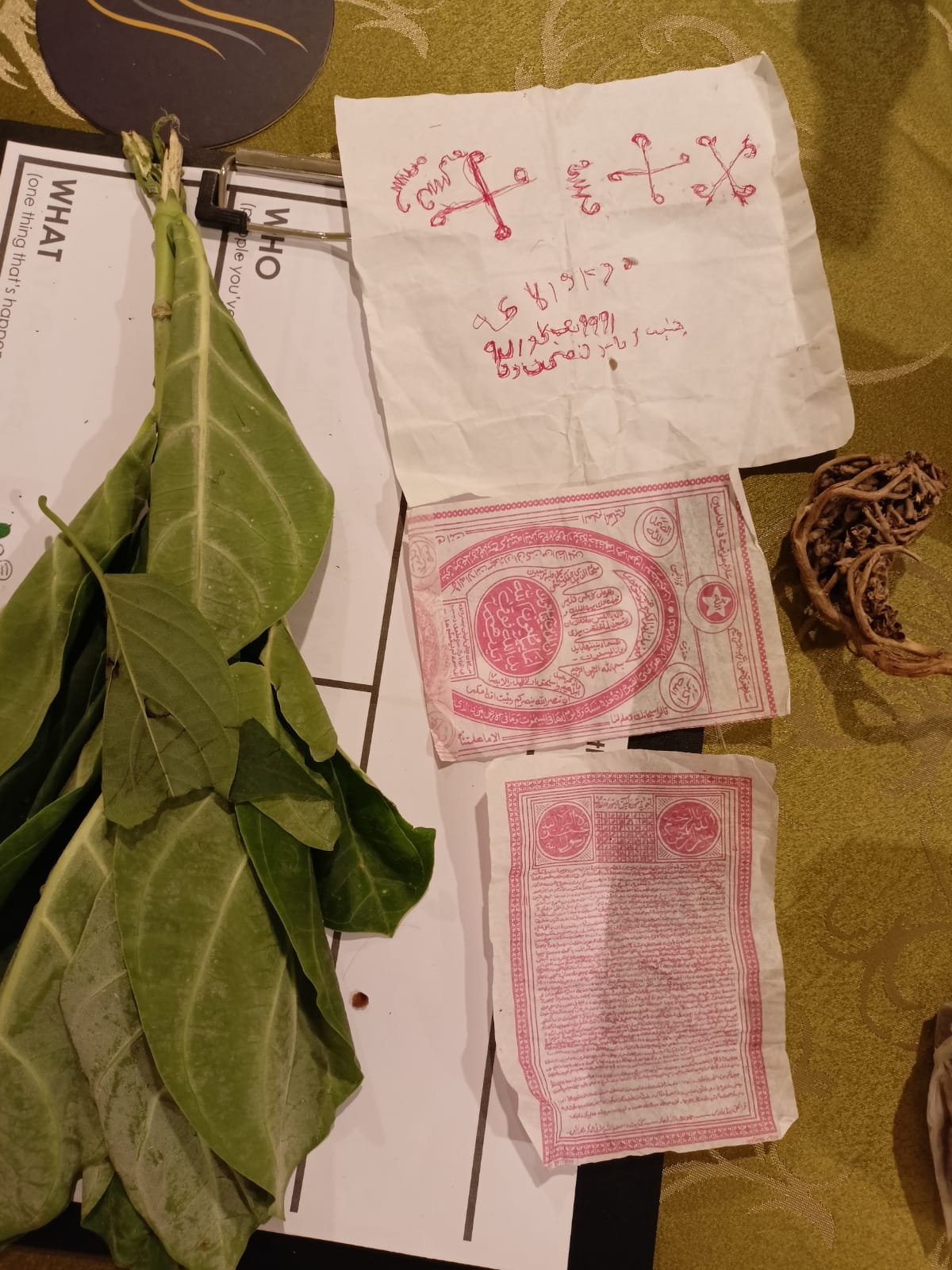
Leaves, printed papers, marked cloth and a knotted cord arranged together
English editorial note Bangladesh · context under review Illustrative editorial story

Before naming what the objects mean

Leaves, printed papers, marked cloth and a knotted cord appear together in the field record. It would be easy to label them from outside. A better starting point is to ask who assembled them, what each object is called, what problem it is understood to address, and whether different family members agree. The origin of a mental-health explanation may live in these conversations rather than in the object alone.

इस कहानी में अभिव्यक्तियां: আছর

Potential lines of inquiry—not conclusions

  • • Words and meanings: What expressions appear in the story? What does the storyteller mean by them, and where does dictionary or clinical language fail?
  • • Origins and change: Where did a word or explanation come from? How is it learned, passed between generations, translated or changed through migration?
  • • Programme design: What barriers, trusted relationships and community resources should culturally grounded services respond to?
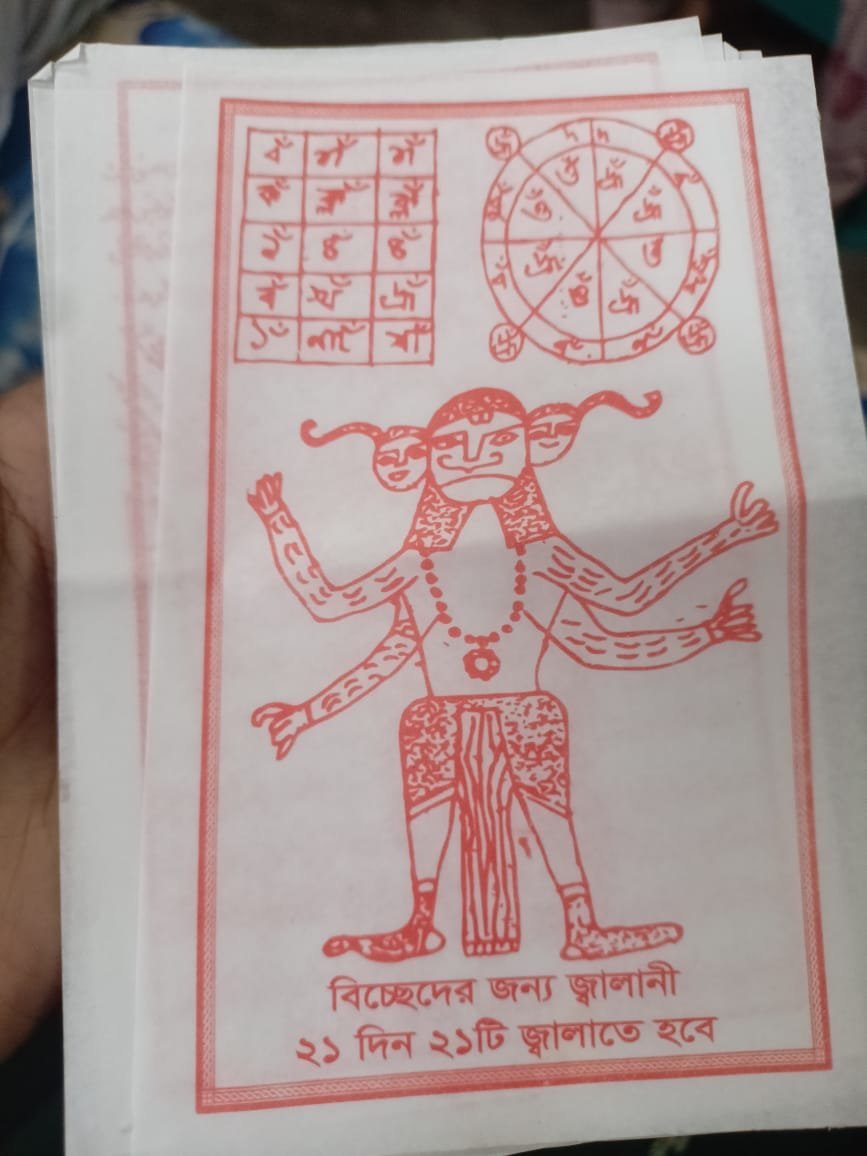
A red printed paper with a multi-armed figure, grid, circular diagram and Bengali text
English editorial note Bangladesh · context under review Illustrative editorial story

A paper that needs a narrator

The printed sheet contains a figure, a grid, a circular diagram and Bengali words. Its visual detail is evidence of a material tradition, not evidence of one fixed belief. A useful story would ask how the paper travels, who explains it, which words are used around it, and whether it brings reassurance, fear, obligation or no mental-health meaning at all.

इस कहानी में अभिव्यक्तियां: আছর

Potential lines of inquiry—not conclusions

  • • Words and meanings: What expressions appear in the story? What does the storyteller mean by them, and where does dictionary or clinical language fail?
  • • Origins and change: Where did a word or explanation come from? How is it learned, passed between generations, translated or changed through migration?
  • • Stigma and help-seeking: Which labels open conversation and which silence it? How do family, faith, services, gender and social expectations shape help-seeking?

Your story can begin in any form

Text, voice and video submissions remain private until the consent tier and editorial review allow otherwise.

Sign in or join to share a story. Submissions stay private until editors review them.

अभिव्यक्ति बोर्ड